
How I can help
- Home
- How I can help
Children, teenagers, adults and families

Children
Age-appropriate support, at their pace, with a parent as involved as suits the child.

Teenagers
Their own space, on their own terms. Many arrive having been sent, rather than having asked.

Adults
Including people navigating a major life transition, and parents who came in for their child and found they needed somewhere of their own.
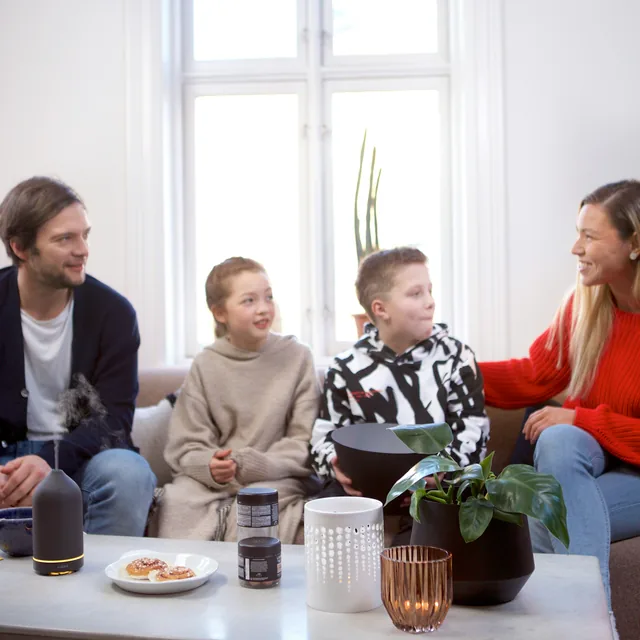
Families
Support that can include the people around you, when that is what helps. You and your family do not have to navigate these seasons alone.
What people bring
- Anxiety. In children, teenagers and adults. Including the kind that looks like anger, or like not wanting to go anywhere.
- Identity. Working out who you are, including when that shifts, and including when it does not match what people around you expected.
- Grief and loss. A death, but also the other losses that are not always treated as grief.
- Major life transitions. Separation, moving, a diagnosis, leaving school, a change in health or work or family.
- Being neurodivergent in a world not built for you. Autistic and otherwise neurodivergent children, teenagers and adults — including people who are only now working out that this is them.
- Culture and belonging. Carrying a heritage that the people around you do not share, or living between more than one.
How I work
I provide a compassionate, culturally sensitive, and neurodiversity-affirming space for children, teenagers, and adults.
Blending gentle, age-appropriate therapeutic support with practical tools, I work to honour your authentic self, your heritage, and your unique story.
Neurodiversity-affirming means I am not working to make an autistic or ADHD client seem less so. Being a different kind of mind is not the problem to be solved. What we work on is what is actually hard, and what would make it easier.
Culturally sensitive means your background is part of the work, not something to be explained around. I do not assume my frame is yours.
At a pace that feels safe for you is meant literally. Nobody is made to talk about something before they are ready, and that includes children whose parents very much want them to.